History
The history of The Bushnell is a story of love between a father and a daughter…and their mutual love of their hometown of Hartford. Both Horace Bushnell and his daughter, Dotha Bushnell Hillyer, who conceived and built The Bushnell as a permanent tribute to her father, left indelible imprints on the Capitol City. Their individual visions and collective contributions have benefited and changed the lives of the seven generations of Connecticut citizens.
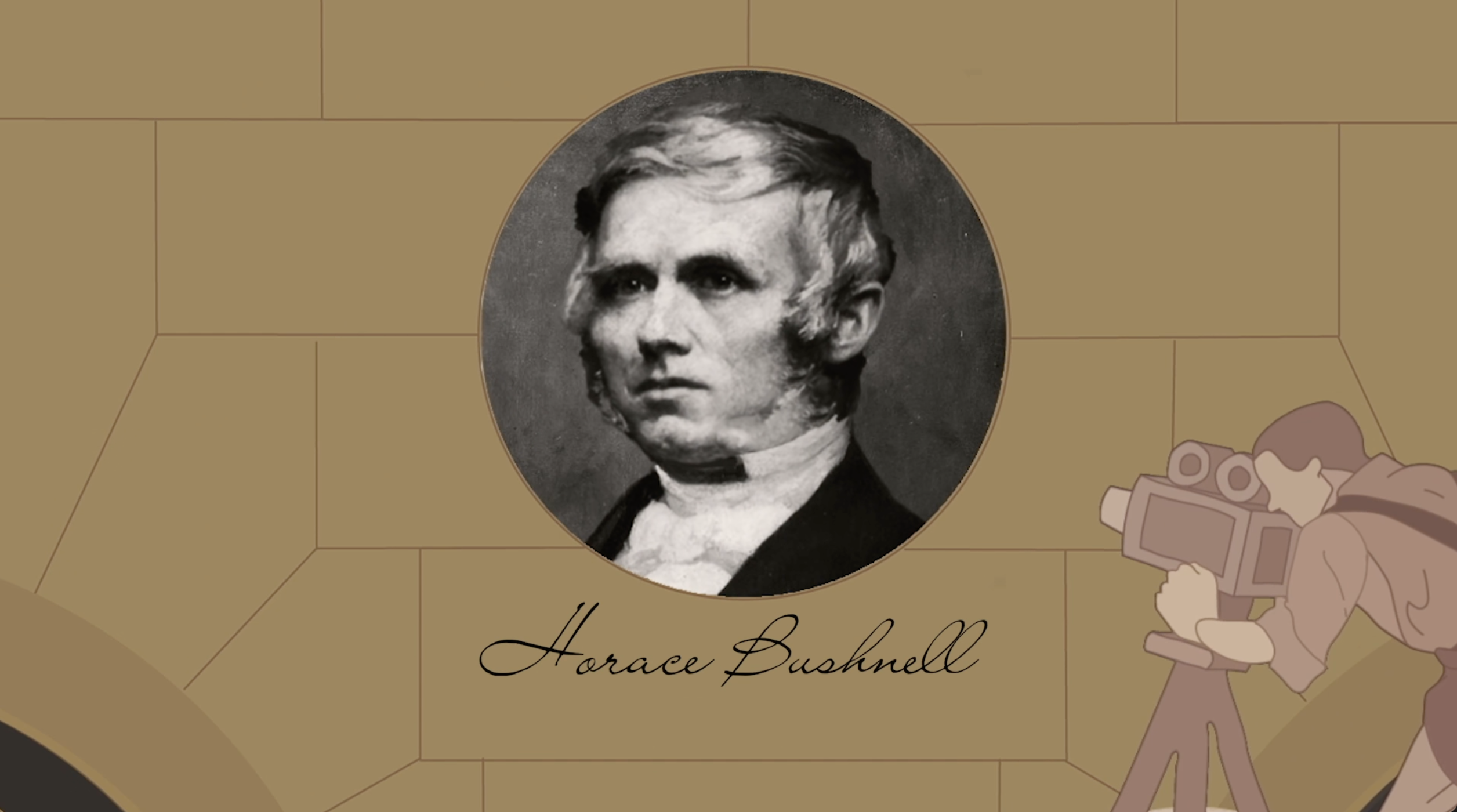
Horace Bushnell
 Horace Bushnell was a giant of 19th-century intellectual thought. A Yale -educated minister and theologian, Bushnell was the reverend at Hartford's North Congregational Church for over 35 years – his one and only ministerial post. From his pulpit on Main Street, he emerged as a renowned theological leader and one of the founders of modern Protestantism. Beyond the church, Bushnell was respected as one of the great scientific minds of the time; he was an inventor with many patents to his name and was frequently consulted by scientists and inventors around the globe.
Locally, Bushnell is perhaps best remembered as a civic visionary and pioneer in the creation of urban green space. Frederick Law Olmsted, the father of American landscape architecture, referred to his cherished friend, Horace, as "his prophet." Together, they discussed and developed the vision of urban parks as oases in cities which would promote social unity, encourage civil discourse, and provide "common ground upon which all men would be more conscious of being one man."
In 1852, Bushnell's own design for Hartford's Central Park – one of the first two municipal parks in America -– was endorsed by the Hartford City Council. Twenty years later, the beautiful transformation fully realized, Hartford's Central Park was renamed in Bushnell's honor.
Dotha Bushnell Hillyer
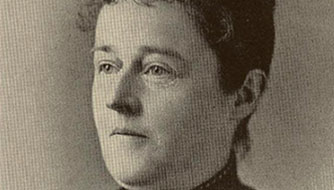 Inspired by a 1912 visit to Springfield's new municipal auditorium, Dotha Bushnell Hillyer developed her own dream for Hartford. She envisioned a world-class performing arts center in downtown Hartford which would both serve as a memorial to her beloved father and as "a gift to the people of Connecticut.... A center for the benefit of arts, science and community activities."
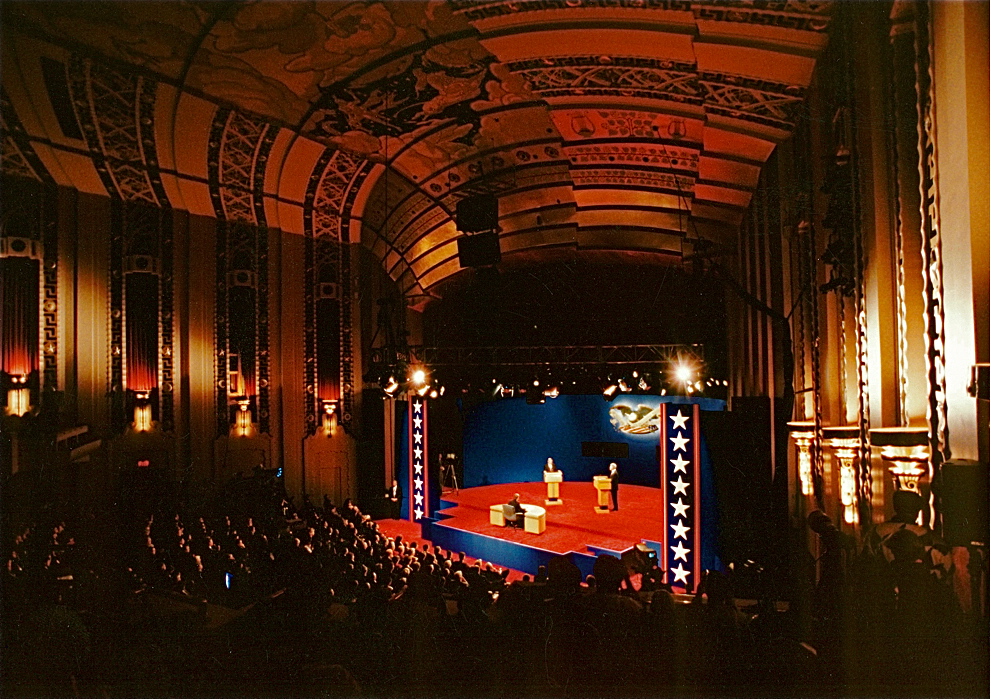
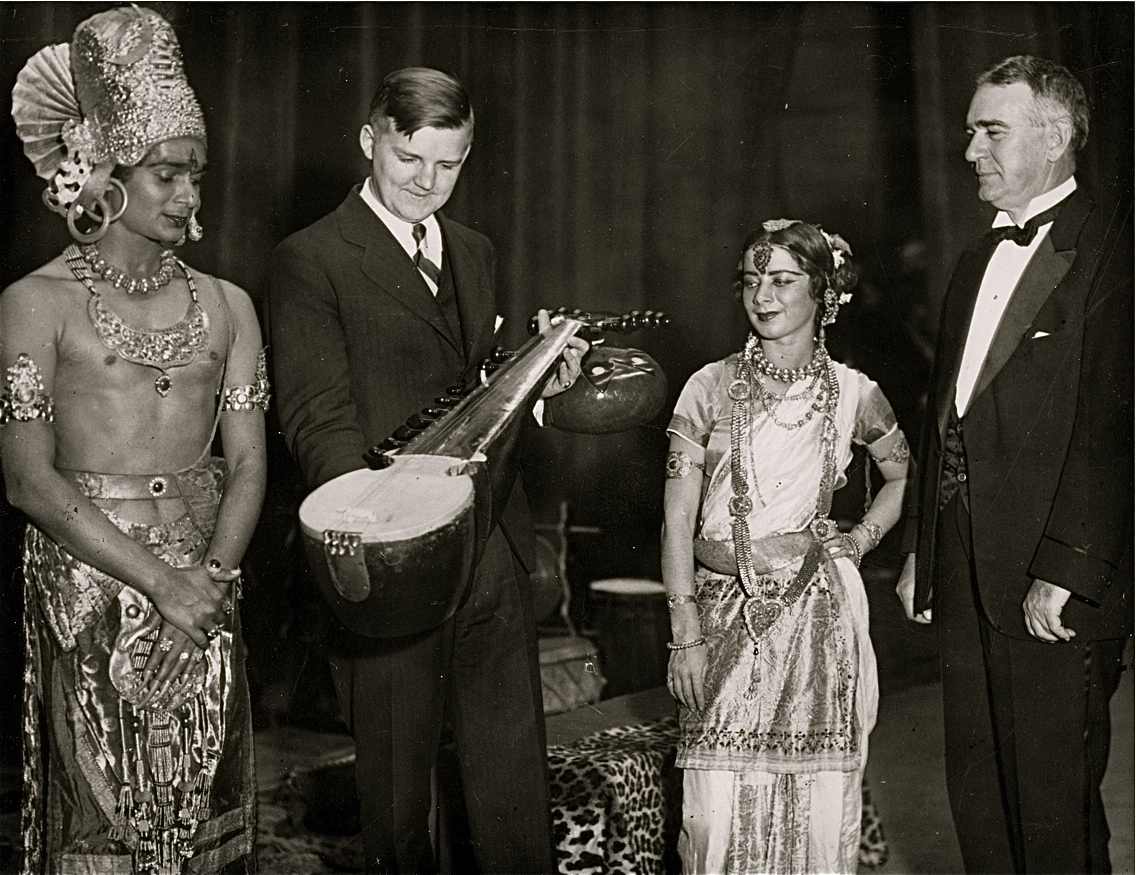
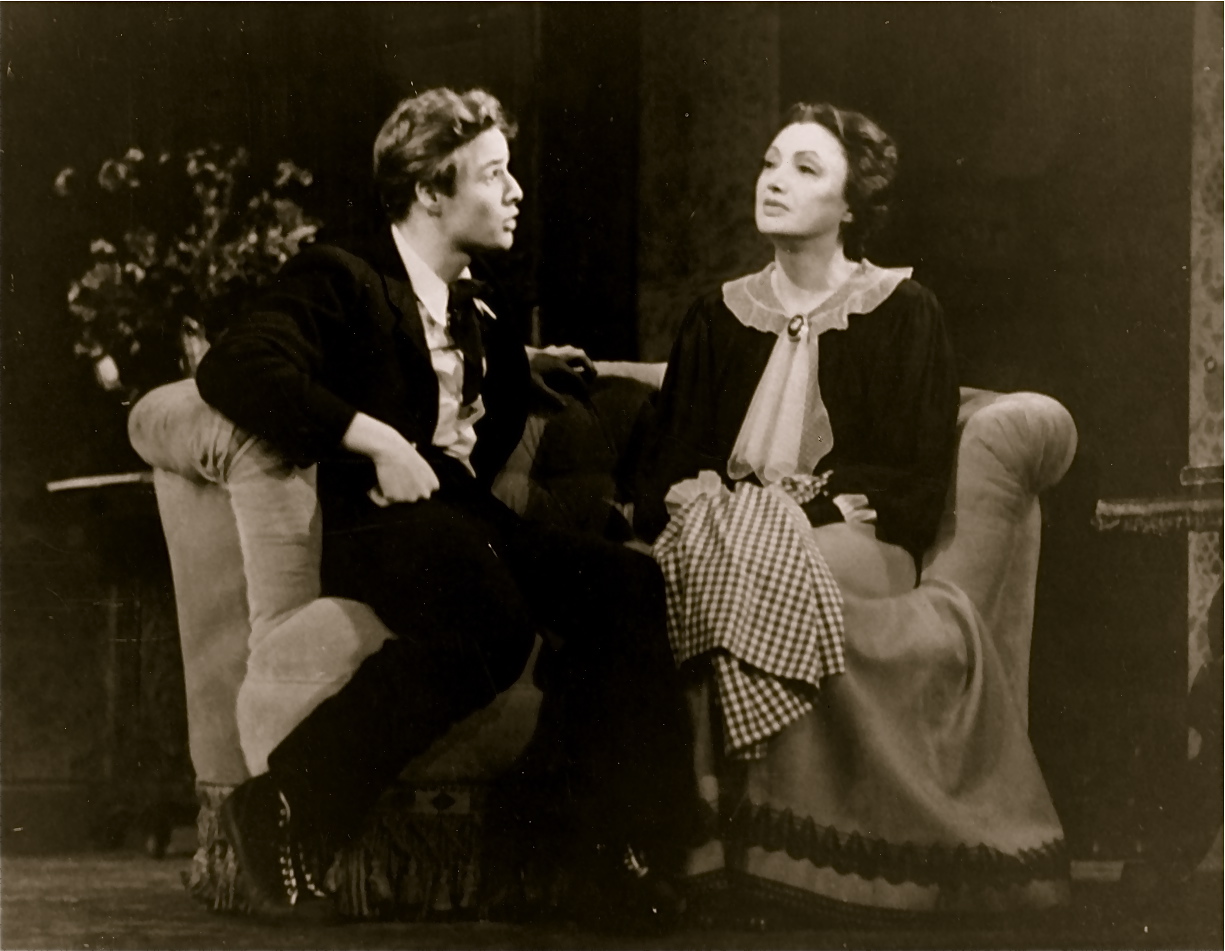
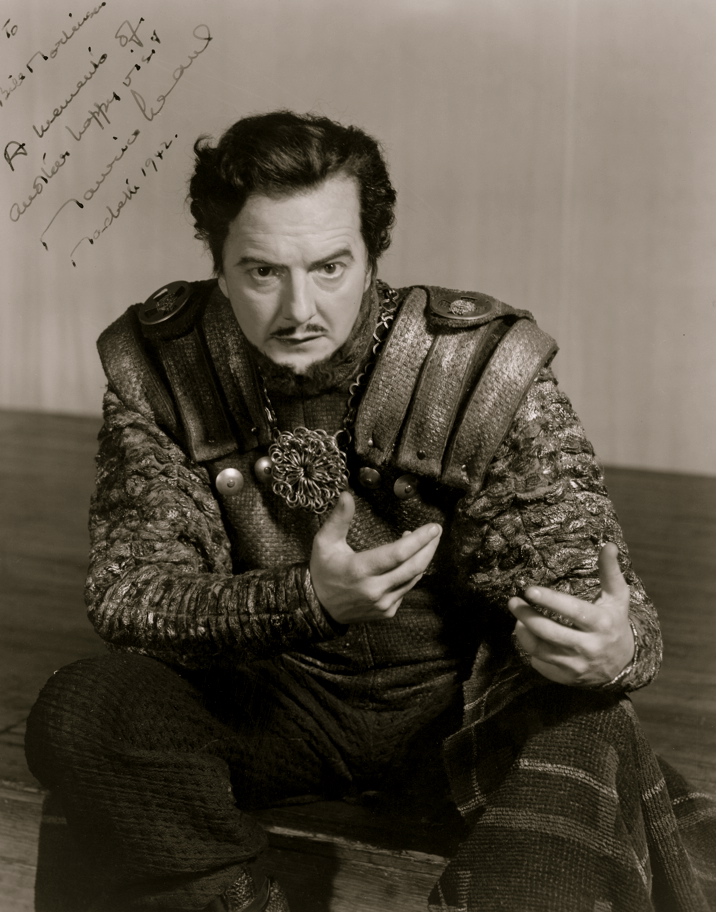
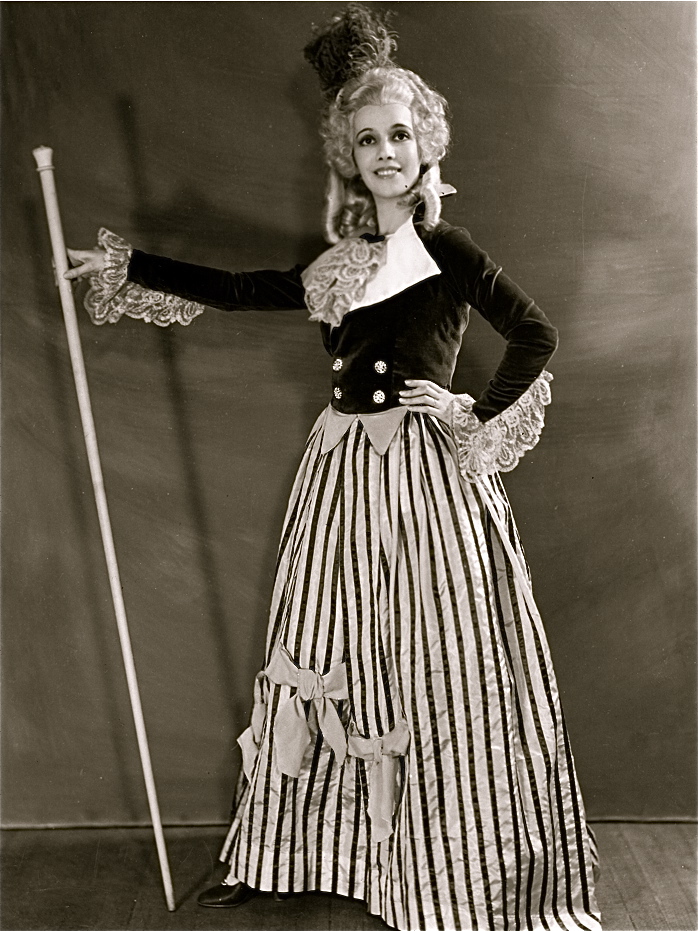
With uncanny savvy, she hired Corbett, Harrison and MacMurray two years before these innovative architects designed Radio City Music Hall --and sold her stock in December of 1928--a brilliant stroke of market timing-- to begin construction in 1929. In 1930, The Bushnell opened, being heralded as a "beacon of hope," in the midst of the Depression – such it has remained for over 80 years.
In addition to the Center, Dotha Bushnell Hillyer was also the principal benefactress of The Children's Museum in West Hartford and Hillyer College – which evolved into the University of Hartford. Dotha, similar to her father before her, left an incredible legacy – one that continues to live in the hearts and minds of all who benefit from their vision for a better Hartford.